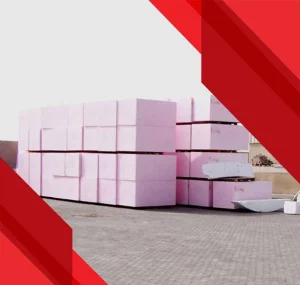

Buildings in the UAE face a constant battle against the relentless sun. From towering skyscrapers along Sheikh Zayed Road to sprawling villas in Dubai Hills and industrial warehouses in Jebel Ali, keeping interiors cool without skyrocketing electricity bills is a top priority. That’s where EPS boards come into play. These lightweight, versatile insulation panels have transformed how constructors approach energy efficiency in the region’s harsh climate. EPS boards not only cut down on cooling costs but also help meet strict green building standards like Estidama and Dubai’s energy codes. In this detailed guide, we’ll explore why EPS Boards: High-Quality Polystyrene Insulation Board are gaining massive traction, how they deliver real savings, and practical tips for using them in UAE projects.
The Basics of EPS Boards and Why They Matter in the UAE
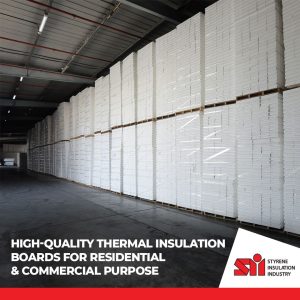
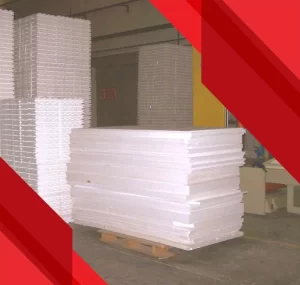
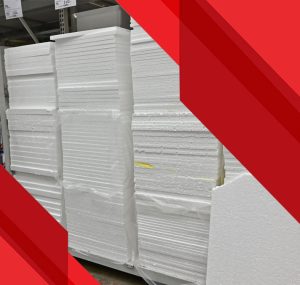
EPS boards are rigid foam panels made from expanded polystyrene beads that are heated and molded into solid sheets. The process traps millions of tiny air pockets, creating a material that’s excellent at blocking heat transfer. Often compared to Expanded Polystyrene Sheets, these boards are cut to standard sizes for easy installation in walls, roofs, and floors.
In the past, many UAE buildings relied on minimal insulation or heavier materials that added unnecessary load to structures. Today, with energy prices and environmental concerns on the rise, EPS boards have become a go-to solution. Local Polystyrene Manufacturers and Suppliers have stepped up production, making high-quality polystyrene products readily available from factories in Al Quoz or Sharjah. A developer in Abu Dhabi recently shared how switching to EPS insulation for a residential tower reduced projected energy use by over 30%—a game-changer for both profitability and sustainability.
The UAE’s push for net-zero buildings by 2050 has accelerated this trend. EPS Boards: High-Quality Polystyrene Insulation Board offer a simple, cost-effective way to achieve higher energy ratings without complicated systems.
The Science Behind Energy Savings
Energy efficiency boils down to reducing heat gain in summer and heat loss in winter—though in the UAE, it’s mostly about keeping the heat out. EPS boards excel here because of their low thermal conductivity. Air is a poor conductor of heat, and since these boards are mostly air, they create a strong barrier.
Installed on external walls or under roofs, they prevent the sun’s radiant heat from penetrating concrete or steel frames. This means air conditioners don’t have to work as hard, cycling on less frequently. In a typical Dubai villa, proper insulation can lower indoor temperatures by 5-10°C on peak days, translating to substantial DEWA bill reductions.
Consider a warehouse in Dubai South: before insulation, refrigeration units ran non-stop. After adding EPS Boards: High-Quality Polystyrene Insulation Board to walls and ceilings, energy consumption dropped dramatically, paying back the investment in under three years.
Proven Benefits in Real-World Applications
Builders across the Emirates report consistent gains:
- Reduced cooling loads by 30-50% in residential projects.
- Improved comfort levels, with more even temperatures throughout spaces.
- Lower structural demands, as lighter insulation means less reinforcement needed.
- Enhanced acoustic performance, blocking outside noise from busy roads like Emirates Road.
A school project in Sharjah used EPS Boards: High-Quality Polystyrene Insulation Board for roof insulation and achieved Estidama compliance while staying under budget. Teachers noted cooler classrooms, improving focus during hot months.
Answering Common Questions About EPS Boards
1. How long do EPS insulation boards last?
Properly installed EPS boards can last 50 years or more. Protected from direct UV exposure (like under cladding or screed), they don’t degrade significantly. Many older buildings in Dubai from the 1980s still have original EPS performing well during renovations.
2. What are EPS boards used for in construction and packaging?
In construction: wall cavities, external insulation systems, roof decks, floor underlays, and cold rooms. In packaging: protective inserts, insulated boxes for food or pharma, and corner guards for appliances. Their versatility comes from easy molding and cutting.
3. What are the main benefits of using EPS boards for insulation?
Top benefits include excellent thermal resistance, lightweight design (reducing labor and transport costs), moisture resistance, affordability compared to alternatives, and full recyclability at end-of-life.
4. How effective are EPS boards in extreme heat climates like the UAE?
Highly effective. With thermal values around 0.035 W/m·K, they outperform many materials in blocking radiant heat. Foil-faced options reflect sunlight, ideal for roofs reaching 70°C+. Projects in Ras Al Khaimah and Fujairah consistently show 35-45% energy savings.
5. How to choose the right EPS board density for your project?
Density affects strength and insulation:
- 15-20 kg/m³ for standard walls and roofs.
- 25-30 kg/m³ for floors or high-traffic areas.
- 30+ kg/m³ for load-bearing or geo-technical uses. Factor in compressive needs and local codes—higher density trades slight insulation for durability.
Installation Best Practices for Maximum Efficiency
Getting the most from EPS Boards: High-Quality Polystyrene Insulation Board requires proper setup:
- Ensure dry, clean surfaces for adhesion.
- Stagger joints and tape seams to eliminate air gaps.
- Use mechanical fixings in windy areas.
- Cover promptly to avoid UV damage.
A contractor in Palm Jumeirah skipped seam taping once and lost 20% efficiency. Now, his teams follow checklists religiously.
Cost vs. Savings Analysis
Initial costs are low, often half of extruded polystyrene or mineral wool. A 1000 m² roof might cost AED 50,000-80,000 for materials and install. Savings kick in immediately:
- Year 1: 25-40% lower AC bills.
- Payback: 2-5 years typical.
- Lifetime: Decades of free efficiency.
For a mid-size villa, that’s tens of thousands saved over time.
Sustainability Perspective
EPS boards align with UAE’s green goals. Production uses little water or energy, and many suppliers incorporate recycled content. They’re 100% recyclable, ground up for new boards or lightweight concrete. No ozone-depleting blowing agents anymore.
Projects chasing LEED or Pearl ratings gain points for thermal performance and material efficiency.
Common Challenges and Solutions
- Fire concerns: Use fire-retardant grades mandatory in high-rises.
- Pest attraction: Treated boards resist termites common in some areas.
- Compression under load: Choose correct density.
Suppliers offer guidance to avoid pitfalls.
Case Studies from Around the Emirates
- Dubai Marina tower: External insulation facade cut cooling by 38%.
- Al Ain hospital: Roof and wall boards improved patient comfort.
- Jebel Ali factory: Cold room upgrades saved on refrigeration.
These stories repeat across projects.
FAQ Section
1. What are EPS boards?
Rigid foam insulation panels from expanded polystyrene, filled with trapped air for superior heat blocking.
2. What are the main uses of EPS boards?
Wall/roof/floor insulation, cold storage panels, packaging protectors, void fillers, and acoustic barriers.
3. What are the benefits of using EPS boards?
Great insulation, light weight, cost savings, durability, moisture resistance, and eco-friendliness.
4. How thick should EPS boards be for proper insulation?
50-80mm for walls, 100-150mm for roofs, depending on U-value targets and building type. Follow local regulations.
5. Are EPS boards waterproof?
Highly resistant, closed cells absorb minimal water (under 2% volume). Not fully waterproof but perfect for most applications with proper drainage.
Conclusion: Building Smarter with EPS
EPS boards quietly revolutionize UAE buildings by making energy efficiency accessible and affordable. In a region defined by heat, they offer practical, proven ways to cool spaces, cut costs, and go green. Whether upgrading an old Deira apartment or planning the next Abu Dhabi landmark, incorporating EPS boards is a smart move. The savings, comfort, and sustainability speak for themselves, time to let these boards do the heavy lifting against the sun.