There is almost nothing in common between a road embankment over soft coastal soil and a podium slab above a basement, except for the light fill below. Which is why the first sale conversation with a supplier should be centered on your site, not their pricing list.
There is a lot for geofoam to do in the UAE. You have got reclaimed land, you have got sabkha flats and the groundwater often is just below the surface than what the drawings had desired. Having conventional fill on top of that effectively just increases the weight on soil that can barely support it. Geofoam is literally there to eliminate most of that weight.
There for sure start with soil report Bring it to the first call. It just means that a supplier or responding party reading this before quoting is already measuring up.
Good supplier of geofoam in UAE ask before quoting
The best ones ask about load. What is the fill depth, what is on top of it and how dense are you building the pavement? Is there a construction surcharge from a crane or temporary stockpile?
These are the types of questions that make up how dense a density grade is, and density is where money gets saved or spent. Often a single grade is defined in the fill, which I would contend is frequently overkill. A provider who understands the product will stack it up in grades, firmer blocks where load concentration exists and lighter blocks lower down. The structure of the letter remains unchanged, and there is a little room to breathe within the budget.
Cost is one area where we should strongly disagree with commonly offered advice. The common practice is to quote per cubic metre. It tells you very little. Then the cost of installed square footage for the entire zone, including cutting, waste, delivery sequencing and how much time crew members are spending waiting on the next truck to arrive. A slightly pricier block which comes pre-cut can make the cheaper one seem like a premium option.
Read one of the factory before reading a quote
Visit the plant if you can. If not, request photos and speak to whoever is in charge of production.
Polystyrene Manufacturers and Suppliers, on the other hand, have a different relationship with quality when they mould their own blocks versus simply reselling them. They buy the pressure, the shape and form cycle and time for healing. Because fresh blocks take time to settle before being cut and shipped a manufacturer who honors that schedule will say so without prompting.
Request density test results and also ask, what standards they are testing against. ASTM D6817 is [assuming EPS geofoam] the only reference most designers expect, therefore utilizing it with a supplier fluent in this code saves your consultant quite a bit of back-and-forth correspondence.
Pay attention to the hot-wire cutting as well. Straight blocks are easy. Tapered profiles for embankment slopes, notches around utilities and curvilinear edges for landscaped podiums reveal the limit to a plant’s true capabilities. Well-cutting gives flat facades and cramped joints, and cramped joints make the fill function as one piece.
Heat, trucks and the schedule
In the UAE, summer is a working condition not an inconvenience. The blocks left frost exposed on a site in August are vulnerable to wind and UV. Suppliers who deliver to stay aligned with your placement programme, rather than weeks ahead of it, safeguard the material while simultaneously clearing your laydown area.
Local production helps here. When a pour date gets pushed back, and pour dates always get pushed back, an adjacent factory can re-jumble distributions in days. Waiting in a port for a cargo has no such privilege Put any of the shortlisted supplier on the programme change on short notice, and hear how specific this answer is.
Also, find out how the blocks are labelled and stacked on the truck. It sounds trivial. It determines whether the crew can lay up sequentially on a tight site or spend the morning searching for the right piece.
It is more than that range matters
So in most projects you will find more than one type of foam. The embankment needs structural blocks. You have to insulate next-door roof or cold store. Somewhere in the basement slab, is a void former, and someone has to bin around the pile caps.
Such that they can quote for a bulk of Polystyrene products, work to one tolerance and answer one telephone call when things change. Expanded Polystyrene Sheets also play a practical role across construction projects, providing thermal insulation, formwork edge protection and lightweight filling solutions . And since they come from the same plant as your geofoam, material is consistent across the entire job.
Smaller orders matter as well. A highway contractor should get similar treatment as a villa developer who only require a few dozen blocks for a garden slab over inadequate backfill. Suppliers that take the small works seriously are careful of what they do with larger projects.
Paperwork, people and the longer relationship
Approvals in the UAE run through consultants and authorities, and every material arrives with a submittal. Suppliers who have done this many times prepare data sheets, test reports and installation guidance in a form reviewers recognise. That shortens the approval loop, which matters more than a discount on the blocks.
Technical support on site is the other half. Someone who can visit during the first day of placement, look at how the blocks are being set, and answer a foreman’s question in thirty seconds is worth a lot. It rarely appears on a quotation, so ask for it outright.
Try a small test before you commit. Send the same detail from your drawings to three shortlisted Geofoam suppliers in UAE and compare the replies. Look past the prices. One will answer only what you asked. Another will notice the thing you did not ask, perhaps a drainage path or a joint offset, and that is the supplier to keep talking to.
The right match feels less like buying material and more like adding a specialist to the team. If you want a starting point for that conversation, the team at styrene-uae.com works across geofoam and related EPS products for projects in the region.
FAQs
1. How do you choose the best geofoam suppliers in UAE for a construction project?
Start with your soil report and load requirements, then shortlist suppliers who ask about them. Check their manufacturing control, density testing, cutting capability, delivery flexibility and submittal support. Compare installed cost, not just price per cubic metre.
2. Why is choosing the right geofoam supplier important for construction projects in the UAE?
Geofoam sits under roads, slabs and landscaping, where it cannot be adjusted later. The right supplier gives you correct density, accurate cutting and dependable delivery, which keeps the programme moving and the structure performing as designed.
3. What are the benefits of working with experienced geofoam suppliers in UAE?
Experienced suppliers spot design refinements early, such as graded densities or better joint layouts. They also know local approval routes, handle schedule changes calmly, and can support the installation crew on site.
4. How can you ensure consistent geofoam quality from a UAE supplier?
Ask for batch density test results against a recognised standard such as ASTM D6817, confirm the blocks are properly cured before shipping, and check dimensions on delivery. A supplier with in-house moulding and cutting usually keeps this consistency easily.
5. Why should you choose an experienced geofoam supplier in UAE?
Local experience means familiarity with sabkha soils, high water tables, summer heat and authority approvals. That knowledge shows up in smoother submittals, better product recommendations and fewer surprises on site.
6. What to look for when comparing geofoam suppliers in UAE?
Look at production capability, density range, custom cutting, testing records, delivery reliability, technical support and the breadth of their polystyrene range. Ask each one the same technical question and compare how thoroughly they answer.
7. What is geofoam and what is it used for?
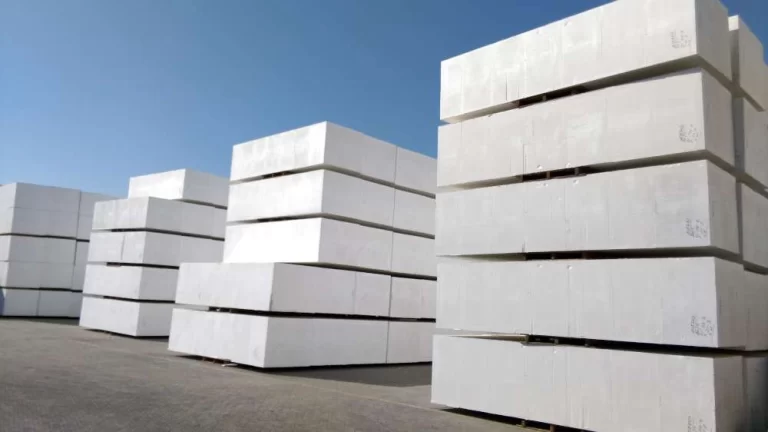
Geofoam is a lightweight, rigid foam made from expanded polystyrene, manufactured in large blocks. It is used as fill material in place of soil, where reducing weight on the ground beneath is the priority.
8. Why is geofoam used in construction projects?
It places very little load on weak soil, installs quickly by hand or light equipment, and cuts easily to shape. Those qualities reduce settlement concerns and can shorten construction time.
9. What are the main benefits of using geofoam?
Light weight, fast installation, consistent engineered properties, good compressive strength for its weight, and easy cutting on site. It also offers thermal insulation and stays stable over a long service life when properly protected.
10. Where is geofoam commonly used in the UAE?
Typical uses include road and bridge approach embankments, podium and landscaped slabs, fill over basements, reclaimed or soft ground, and void forming beneath structures.