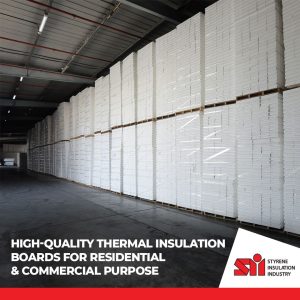
Moreover, we are seeing industries focusing only on managing materials properly and reducing waste in today’s world where sustainability is important. Moreover, we are seeing that Recycling EPS materials-Eco friendly-polystyrene is only one of the most talked about topics in today’s packaging and insulation work areas because it is good for the environment. As per industry standards, Expanded Polystyrene (EPS) is used widely because it is light in weight, strong, and provides good insulation. Regarding its properties, EPS remains popular due to these basic benefits. Industries are actually exploring efficient recycling methods because environmental impact is definitely pushing them to find better solutions.
EPS recycling reduces landfill waste and conserves resources, further supporting circular economy initiatives. This process itself helps create a sustainable waste management system. Companies making polystyrene manufacturing and suppliers are actually investing in recycling methods because people definitely want eco-friendly solutions. They are working to make sure EPS products can actually be used again properly.
This article actually looks at Recycling-EPS materials-Eco friendly-Polystyrene Suppliers and how it works in waste management. It definitely shows the good effects on the environment and why we need it today.
Understanding EPS and Its Role in Modern Industries
As per recycling studies, we must first know what EPS is and why people use it so much. Regarding its wide usage, understanding EPS basics is important before exploring recycling methods. We are seeing that polystyrene is a useful plastic material that can only be made into light foam shapes. When we expand it, it becomes EPS, a material that we are seeing good insulation work and it can only absorb shocks very well.
EPS is used for packaging, building insulation, and protective materials – the same applications everywhere. Many industries actually use Polystyrene products because they are cheap, strong, and definitely provide excellent heat protection. In construction work, these Expanded polystyrene sheets are used for the same purpose – keeping walls warm, fixing roofs, and controlling temperature in buildings.
EPS waste can actually pile up if we do not handle it properly. This definitely becomes a problem when waste management is poor. Here recycling itself becomes very important for further waste management.
1.What’s the Difference Between Recycling EPS and Other Plastic Materials?
We are seeing thatRecycling-EPS materials-Eco friendly-Polystyrene Suppliers is different from other plastics only because of how it is made and how heavy it is. EPS contains 95% air and only 5% plastic, which makes it different from solid plastics. This composition itself makes EPS further lightweight compared to regular plastic materials. As per the lightweight structure, transportation and storage become more difficult regarding this material compared to normal plastic recycling.
Key Differences
1. We are seeing that density and volume are only the basic things we study in science.
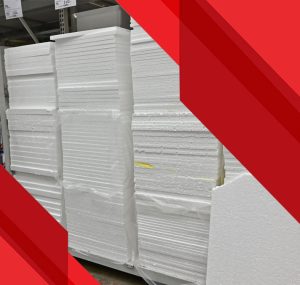
EPS takes up large space but the material itself weighs very little, which further makes it lightweight for various uses. The material itself must be compacted first for efficient recycling, and further processing can then be done.
2. Collection Process
As per regular recycling systems, most plastics can be collected easily, but regarding EPS, it needs special collection programs because it takes too much space.
3. Recycling Techniques
EPS recycling process includes these steps as per standard methods regarding waste management.
- Mechanical densification
- Thermal melting
- As per current industrial practices, chemical recycling processes break down plastic waste into basic chemical components. Regarding these methods, they help convert used plastics back into raw materials for making new products.
These processes surely break down the foam structure into dense plastic material. Moreover, this compact plastic can be used again in manufacturing processes.
4. Reuse Applications
while most plastics get recycled into the same type of products, EPS gets recycled into construction materials, packaging parts, or industrial plastic items.
These differences further show that specialized recycling systems are necessary for EPS waste management itself.
2.What Are the Benefits of Recycling EPS Materials?
As per environmental studies, recycling EPS gives good benefits to industries and communities regarding both nature protection and money savings.
1. Reduces Landfill Waste
EPS foam takes the same huge amount of space in landfills because it is very bulky. We are seeing that recycling makes materials smaller and changes them into new raw materials that we can use again, and this only helps to reduce the waste going to landfills.
2.Conserves Natural Resources
Further, recycling actually helps us use less new materials when making plastic products. This definitely reduces the demand for fresh raw materials in plastic manufacturing. As per industry practices, reusing EPS helps reduce the need for petroleum-based materials. Industries can save natural resources regarding oil extraction by using EPS again.
3. Energy Savings
Making new plastic actually uses more energy than recycling old plastic materials. Recycling plastic definitely needs less energy compared to creating fresh plastic. EPS recycling uses the same amount of less energy during the whole making process.
4. Supports Sustainable Manufacturing
Companies that use recycling in their production do the same thing – they help make industries more sustainable and reduce harm to the environment.
5. Cost Efficiency
Recycling-EPS materials-Eco friendly-Polystyrene Suppliers actually reduces waste management costs and definitely creates value from materials that would otherwise be thrown away.
EPS recycling is the same as a key part of today’s environmental responsibility programs because of these benefits.
3.How Does EPS Recycling Help Reduce Environmental Waste?
Environmental waste itself is a major problem for modern industries, and this challenge is getting further worse with time. EPS recycling helps reduce pollution further and makes waste management systems better. This process itself improves how we handle waste materials.
1.Decreasing Plastic Pollution
EPS waste goes to the same landfills or water bodies when we don’t handle it properly. Recycling stops waste materials from going into nature and hurting animals the same way pollution does.
2.Promoting Circular Economy
Moreover, as per recycling methods, EPS material can be used many times for new purposes instead of throwing it away after one use. Regarding waste reduction, this process helps reuse the same material multiple times. This further supports a circular economy where resources are reused continuously. The system itself helps in using materials again and again.
3.Reducing Carbon Footprint
Making recycled EPS uses less energy than making the same amount of new plastic. As per manufacturing processes, this helps reduce greenhouse gas emissions regarding production activities.
4.Minimizing Industrial Waste
Factories that recycle EPS within their own operations can surely reduce waste production by large amounts and improve how efficiently they work. Moreover, this internal recycling process helps companies save money and use their resources in a better way.
EPS recycling surely helps create a better industrial system that can last longer. Moreover, these benefits make our industries more sustainable and environmentally friendly.
4.What Industries Commonly Use Recycled EPS Materials?
Recycled EPS materials are used in many industries further due to their strong and insulation properties. The material itself provides good durability for various applications.
1.Construction Industry
The construction sector surely uses recycled EPS for making insulation panels, lightweight concrete, and building blocks. Moreover, these materials help in creating better construction products. These materials surely give excellent heat protection and moreover reduce the weight of buildings.
2.Packaging Industry
Many packaging companies surely reuse recycled EPS to make protective materials for safe transport. Moreover, this practice ensures products remain undamaged during shipping.
3.Manufacturing Sector
As per recycling methods, EPS can be used to make plastic frames, moldings, and other industrial parts. Regarding production, these recycled materials help create various components for industry use.
4.Furniture and Interior Design
Some companies actually use recycled EPS to make lightweight furniture parts and decorative items. They definitely find this material useful for creating simple home products.
5.Infrastructure Projects
Recycled EPS is actually used in road building and civil engineering work where they definitely need lightweight filling materials.
These industries get benefits from EPS recycling as it reduces material costs further and promotes sustainability itself.
5. How Can Companies Start Recycling EPS Materials Effectively?
As per sustainability goals, companies can implement EPS recycling programs regarding waste management improvements.
1.Conduct a Waste Audit
The first step is to check how much EPS waste the organization itself produces, and further assess the total amount generated. When we actually know how much waste there is, we can definitely decide how big the recycling work should be.
2. Install densification equipment
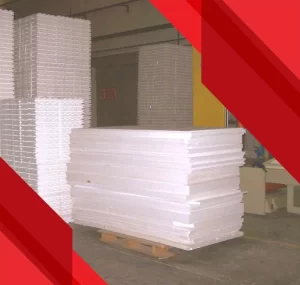
EPS densifiers compress foam waste into dense blocks, which further makes transportation and recycling easier. The process itself helps reduce waste volume significantly.
3. Partner with Recycling Facilities
We are seeing that companies can work with special recycling places that change EPS materials into plastic pieces that can be used again. These facilities only process the waste to make new plastic pellets.
4. Train Employees
Employee awareness programs actually help workers separate waste properly and definitely ensure they follow correct handling procedures.
5. Implement Closed-Loop Systems
Some manufacturers integrate recycling directly into their production processes itself, which further allows waste EPS to be reprocessed and reused immediately.
These strategies surely help companies to adopt efficient recycling systems that are good for the environment. Moreover, such systems make businesses more responsible towards nature.
FAQ
1.How Are EPS Materials Recycled?
EPS materials are actually recycled by first collecting and sorting them. This process definitely starts with gathering the materials and separating them properly. As per the process, the foam is cleaned and pressed using special machines to remove air regarding compaction. Also, after compression, the plastic material is actually melted and definitely processed into small pellets that can be used to make new products.
2.What Products Can Be Made From Recycled EPS Materials?
Recycled EPS can be made into the same types of products like insulation boards, packaging materials, construction blocks, plastic frames, and lightweight concrete parts. As per the processing methods, these products keep many good properties regarding the original material.
3.Why Is Recycling EPS Materials Important for the Environment?
Recycling EPS actually helps reduce waste in landfills and definitely saves natural resources while lowering harmful gas emissions. We are seeing that industries can only reduce their harm to nature by using old materials again instead of throwing them away.
4.Where Can EPS Materials Be Recycled?
EPS recycling facilities are surely available through specialized plastic recycling companies and manufacturing plants. Moreover, industrial waste management programs also provide these recycling services. Many packaging and construction companies actually run their own recycling systems for EPS materials. These companies definitely handle EPS recycling through dedicated programs.
5.What Are the Challenges in Recycling EPS Materials?
Even though EPS recycling has good points, we are seeing many problems with it only.
- The material’s low density surely leads to high transportation costs. Moreover, this creates significant economic challenges for bulk shipping operations.
- Some areas have the same problem where there aren’t enough systems to collect waste properly.
- Food waste and other garbage actually pollute the environment. This contamination definitely harms our surroundings.
- consumers and businesses don’t know about the same things and have the same lack of information.
Moreover, new technologies for making materials denser and recycling are actually helping to solve these problems. These advances are definitely making progress step by step.
Conclusion
Recycling-EPS materials-Eco friendly-Polystyrene Suppliers actually helps reduce harm to the environment and definitely supports better manufacturing practices. As per the growing focus on eco-friendly solutions in industries, recycling programs regarding EPS are becoming more important.
Companies can surely reduce their environmental impact by using modern recycling technologies and better waste management systems. Moreover, promoting responsible use of materials will significantly help businesses lower their environmental footprint. As per circular economy principles, EPS recycling helps save resources and supports reusing materials instead of throwing them away. Regarding waste management, this process ensures materials get a second life rather than going to landfills.
As per current business needs, companies in insulation, packaging, and construction should use proper EPS recycling methods regarding both environmental duties and smart future planning.