
Walk through any wholesale food market in the UAE before sunrise and you start noticing a pattern. Fish packed in thick white boxes. Frozen chicken stacked in insulated containers. Fresh vegetables arriving from distribution trucks in lightweight foam packaging that somehow survives heat, movement, and long transport routes without collapsing into mush.
People rarely think about the box itself. They think about the food.
But in places like Dubai, Abu Dhabi, Sharjah, or even industrial supply hubs further north, packaging quietly determines whether food arrives fresh or spoiled, cold or questionable. And that becomes more complicated in a country where summer temperatures can cross 45°C before noon.
That is one reason EPS Food Packaging Boxes UAE businesses continue using remain everywhere despite constant conversations around packaging alternatives.
The material is not glamorous. Nobody romanticizes polystyrene. Still, the food industry keeps returning to it for practical reasons that are difficult to ignore.
What exactly are EPS food packaging boxes?
EPS stands for Expanded Polystyrene. The name sounds technical, although the material itself is familiar to almost everyone. It is the lightweight white foam commonly used for insulated food containers, seafood transport boxes, takeaway packaging, and cold-storage shipments.
The interesting part is how much air the material contains. EPS is made up mostly of trapped air inside a rigid cellular structure. That may sound trivial, but it explains why these boxes insulate so effectively while remaining surprisingly light.
And in the UAE, weight matters more than many businesses initially assume.
Delivery systems operate under constant pressure here. Restaurants move food quickly across cities. Frozen imports travel between emirates. Warehouses try to reduce transportation costs wherever possible. Heavy packaging becomes expensive very fast.
EPS solves several problems at once. Not perfectly. But efficiently enough that most food businesses continue relying on it.
Heat changes everything in the UAE food industry
Packaging decisions in colder countries often focus on convenience or branding. In the Gulf region, temperature control becomes part of survival.
EPS Food Packaging Boxes UAE suppliers provide are widely used because they slow temperature transfer. Cold items stay colder longer. Hot foods retain heat for extended periods. Seafood remains protected during transport. Ice melts more slowly.
None of this sounds dramatic until food delivery delays happen.
And delays always happen.
Traffic. Driver shortages. Long-distance transport from ports. Waiting time outside restaurants. A twenty-minute delay in mild weather may not matter much. In Gulf heat, the same delay can noticeably affect food quality.
This is where EPS packaging tends to outperform ordinary plastic containers.
Plastic containers are common. But they behave differently.
There is a tendency to compare all food packaging as though the differences are mostly cosmetic. They are not.
Standard plastic food containers are usually thinner. They work well for short delivery cycles and dry foods. They are cheap, stackable, and easy to manufacture in large volumes. For many restaurants, they remain completely acceptable.
But insulation is where problems start appearing.
EPS containers trap temperature more effectively because of their cellular structure. Plastic transfers outside heat faster. So if frozen food sits in transit for too long, the temperature shift becomes more aggressive.
Seafood companies know this already. So do meat distributors.
That is partly why EPS Food Packaging Boxes UAE frozen food suppliers use remain dominant in cold-chain logistics. The packaging helps stabilize conditions during movement between storage facilities, retail suppliers, and delivery vehicles.
On paper, reusable hard plastic may appear more durable. In practice, many businesses still prioritize thermal performance over aesthetics.
Especially when spoilage costs more than packaging.
Seafood packaging tells the real story
If you want to understand whether a packaging material genuinely works in Gulf conditions, look at seafood transport.
Fish packaging is unforgiving. There is little room for error once temperature control begins failing. The odor changes quickly. Texture changes even faster.
This is one area where EPS packaging has held its position for years without much serious competition.
The boxes insulate well, resist moisture reasonably effectively, and remain lightweight even when filled with ice. That combination matters during imports and wholesale distribution.
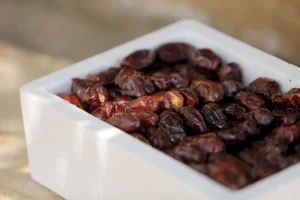
Many exporters also use specialized Polystyrene Vegetables and Dates Boxes because fresh produce faces similar temperature stress during transport. Dates, particularly premium export-grade varieties, can suffer texture changes if exposed to prolonged heat during storage and movement.
Again, not every company talks about this openly. But logistics managers notice these things immediately.
The cost argument is difficult to ignore
Sustainability discussions around packaging are growing louder in the UAE. That probably will continue. Some businesses are experimenting with paper-based containers or biodegradable alternatives.
Still, cost tends to pull companies back toward EPS.
Not because executives are indifferent. Usually because operational math becomes uncomfortable very quickly.
Alternative insulated packaging often costs more. Sometimes much more. For luxury brands, that may be manageable. For mid-sized restaurants handling thousands of deliveries weekly, the economics become harder to justify.
EPS remains lightweight, relatively affordable, and widely available through regional Polystyrene Manufacturers and Suppliers. That availability keeps supply chains stable, especially for businesses operating at large scale.
And stability matters more than trends when margins tighten.
There is also the issue of food waste
This part gets overlooked.
Packaging discussions often focus entirely on the environmental impact of the material itself, which is understandable. But spoiled food carries environmental costs too. Transport waste. Energy waste. Product waste.
If insulation failure causes seafood spoilage or frozen goods rejection, the overall environmental outcome may not actually improve.
That does not automatically make EPS the perfect answer. It simply complicates the conversation.
Sometimes the least ideal material still solves the immediate logistical problem better than the available alternatives.
The UAE food industry operates in conditions where that trade-off appears frequently.
EPS is not only used for food boxes
Many people associate EPS only with takeaway containers, but the material appears across multiple industrial uses.
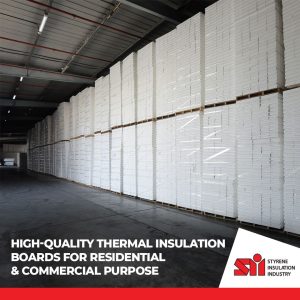
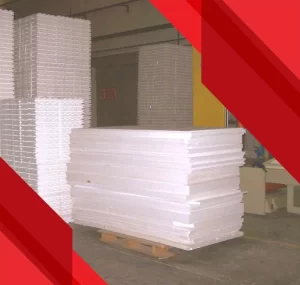
Expanded Polystyrene Sheets are widely used in insulation, construction, cold storage systems, and protective packaging. The broader manufacturing ecosystem around these materials partly explains why EPS food packaging remains so accessible across the UAE market.
Infrastructure already exists. Factories already produce related Polystyrene products at scale. Distribution channels are established.
Changing an entire packaging ecosystem rarely happens overnight, even when industries want to evolve.
Is switching to EPS worth it for UAE food delivery businesses?
For many businesses, probably yes.
Particularly if they deal with hot meals, frozen products, seafood, dairy, or long delivery routes.
Smaller cafes handling short local deliveries may not notice dramatic differences immediately. But businesses operating across multiple delivery zones often begin paying attention once customer complaints around freshness increase.
Food quality tends to deteriorate gradually before it fails completely. Packaging plays a quiet role in delaying that decline.
Not a magical role. Just a practical one.
And practicality usually wins in commercial food operations.
FAQ
What are EPS Food Packaging Boxes?
EPS Food Packaging Boxes UAE suppliers provide are insulated containers made from expanded polystyrene foam. They are commonly used for food storage, seafood transport, frozen goods, and takeaway delivery because they help maintain temperature during transit.
Why are EPS Food Packaging Boxes widely used in UAE?
The UAE climate creates significant heat exposure during transport and delivery. EPS packaging helps reduce temperature fluctuation, keeps food fresher longer, and remains lightweight for large-scale distribution.
Are EPS Food Packaging Boxes safe for food storage?
Generally, yes. Food-grade EPS packaging is widely used across the global food industry for cold and hot food applications when manufactured according to proper safety standards.
What are the main benefits of EPS Food Packaging Boxes?
The main advantages include thermal insulation, lightweight handling, moisture resistance, affordability, and protection for temperature-sensitive food products during transport.
Can EPS Food Packaging Boxes be reused?
In many cases, yes. Businesses often reuse EPS boxes for storage or secondary transport if the containers remain clean and structurally intact. Long-term reuse, though, depends on handling conditions and hygiene requirements.